
Surgical services
Glaucoma surgery
Glaucoma often progresses without symptoms until irreversible damage to the optic nerve occurs. Ophthalmological center Dr. Raonić practices modern methods of surgical treatment of glaucoma, which enable control of eye pressure and preservation of vision.
Glaucoma surgery
What is glaucoma?
Glaucoma is an eye disease that damages the optic nerve. This damage can lead to vision loss or blindness. The optic nerve sends visual information from your eye to the brain and is vital for good vision. Damage to the optic nerve is often associated with high pressure in the eye, but glaucoma can occur even with normal eye pressure. Glaucoma can occur at any age, but is more common in the elderly. It is one of the leading causes of blindness in people over the age of 60. Many forms of glaucoma have no warning signs. Vision loss is so gradual that you may not notice the change until the condition reaches a later stage. It is important to have regular eye examinations that include measuring the eye pressure. If glaucoma is detected early, vision loss can be slowed or prevented.
Treatment methods
How is glaucoma treated?
- Medication (drops)
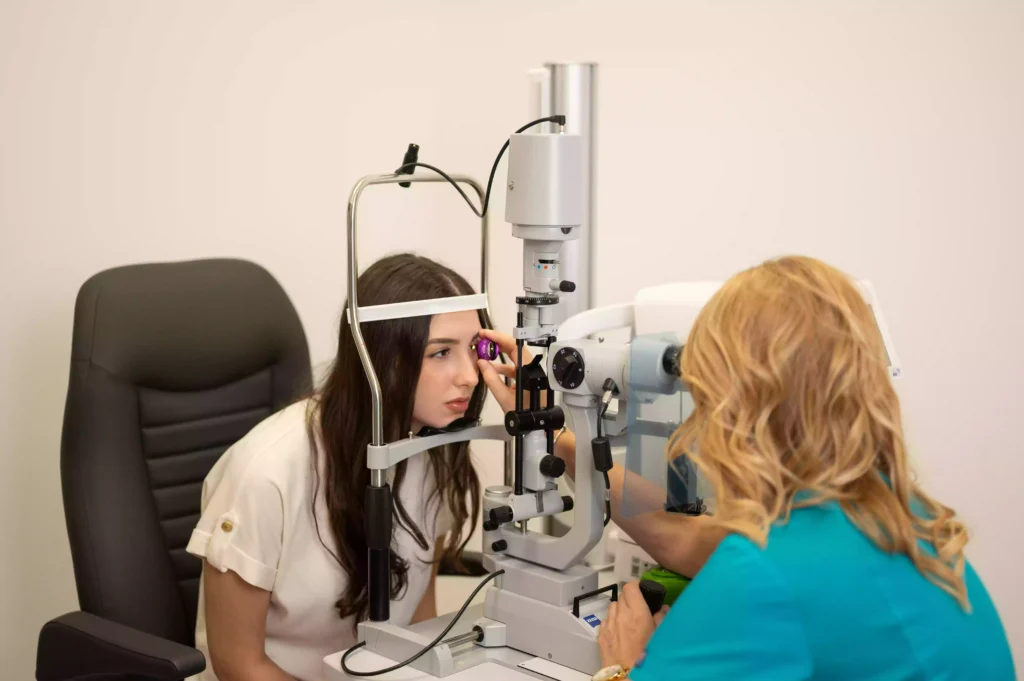
After the examination, the ophthalmologist determines the appropriate drug therapy that needs to be used daily according to the appropriate scheme in order to achieve the best possible control of eye pressure. Regular eye pressure controls are an absolute recommendation for timely response in terms of therapy correction or recommendation for other treatment options.
- Laser treatment
This type of treatment is recommended in situations where drops cannot be used apply or when the completely applied therapy does not provide adequate results results. Different types of lasers are applied, and the ophthalmologist after examination decides which type of laser is an option for a particular patient. The intervention is performed on an outpatient basis, using local anesthesia.
- Surgical treatment
A recommendation for surgical treatment is given to the patient when drops and laser treatment do not achieve a satisfactory effect. The operation (trabeculectomy) is performed under local anesthesia according to the principle of day surgery. As after any surgical procedure, it is necessary to comply with the scheme of controls and therapy in the postoperative course. It is expected that the vision in the first 10 or so days after the operation will be weaker, after which it will gradually return to the vision with which it was entered into the operation.
Glaucoma surgery
What are the benefits?
- Long-term stabilization of eye pressure
- Eliminated the need for drops
- Reduced risk of progressive vision loss

Glaucoma surgery
Who is recommended for glaucoma surgery?
Surgical treatment is recommended for patients in whom intraocular pressure remains high despite maximal therapy, there is proven deterioration of the visual field and optic nerve, there are allergic or systemic contraindications to the use of drops, or there is an urgent need for rapid decompression of the eye. Glaucoma surgery is not recommended in:
- Active eye infections
- Severe systemic diseases without prior stabilization
- Inability to monitor postoperative care
Ophthamology Center Dr Raonić
Why come to us?
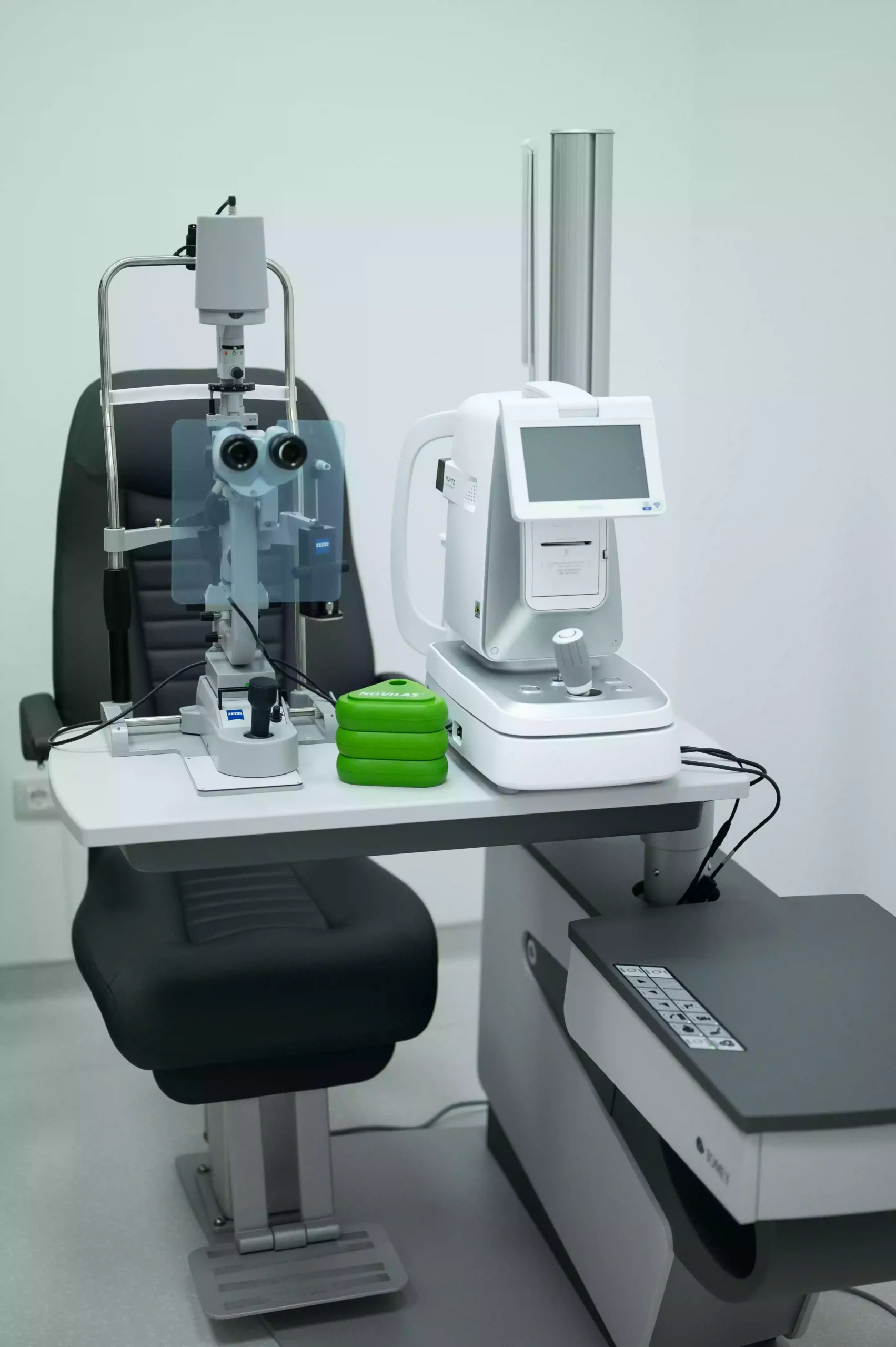
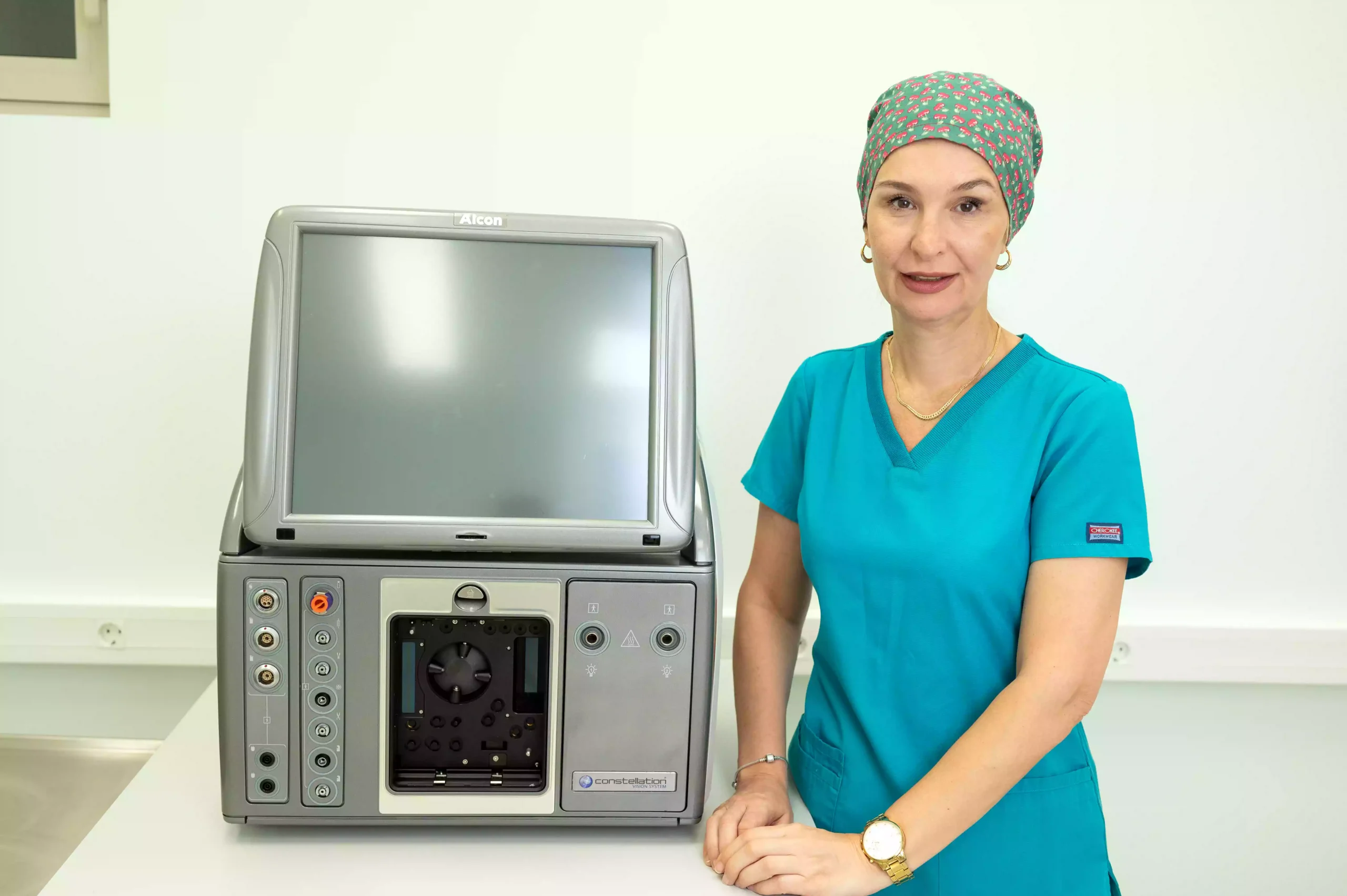
Our center combines modern operating rooms, state-of-the-art equipment and a team of doctors with decades of experience in glaucoma surgery. Each patient undergoes a detailed diagnosis and receives a personalized treatment plan. Your vision is our responsibility.
FAQ
Worried?
Is the surgery painful?
Ne. Operacija se izvodi u lokalnoj (topikalnoj) anesteziji i potpuno je bezbolna.
How long does recovery take?
Most patients return to daily activities within one to two weeks.
Will I stop using the drops?
In many cases, yes, but it depends on the stage of the disease and the type of surgery.
In some cases (especially when it comes to advanced forms of the disease or glaucoma that progresses more quickly) even after surgical treatment, the use of local therapy is indicated and this is not considered a failure of the operation.
Also, it is not a rare case that glaucoma surgery has to be repeated again after a certain period of time.
Is there a risk of vision loss?
If the disease is not treated, vision loss is inevitable. Surgical treatment is precisely aimed at preventing this.
Can certain medications affect the course of surgery and recovery?
Some medications, such as isotretinoin or certain steroids, can affect healing or increase the risk of dry eye. A complete medication review will be part of the preoperative preparation.
Course of the operation
Preparation before surgery
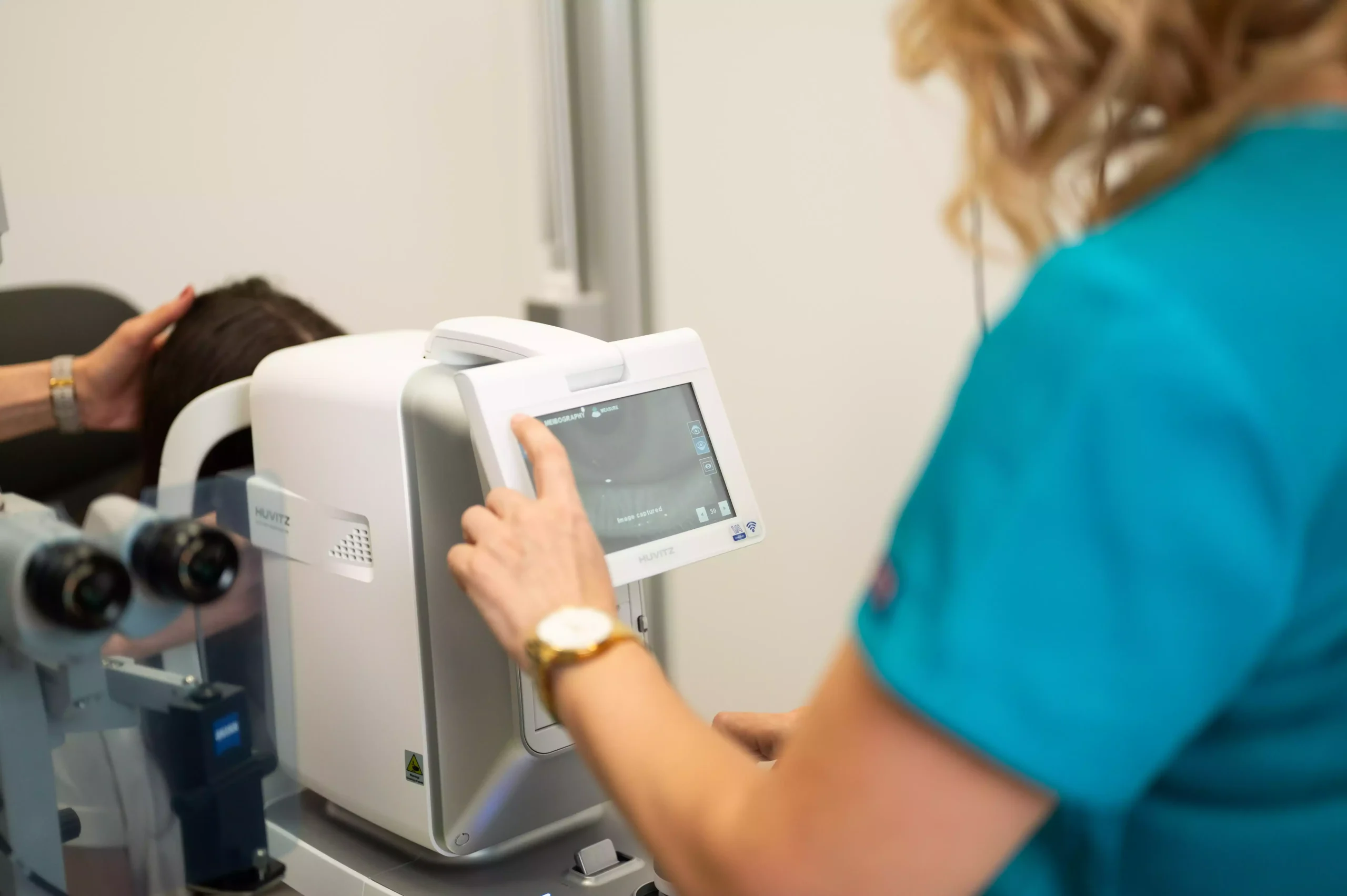
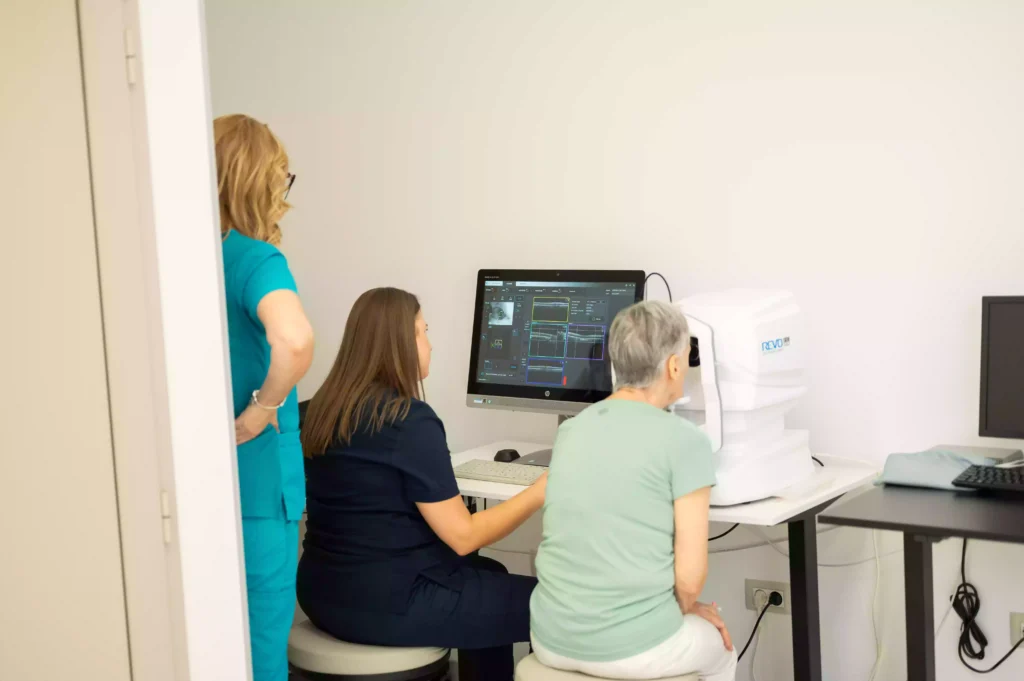
Before the intervention, a complete ophthalmological examination is necessary, which includes:
Determination of visual acuity
Measurement of eye pressure (tonometry)
Pachymetry (measurement of corneal thickness);
Biomicroscopic examination of the eye and fundus;
Gonioscopy (examination of the corner of the eye);
Visual field test (perimetry);
Imaging of the optic nerve (OCT RNFL).
Based on the findings, the most appropriate surgical method is determined.
Course of the operation
During the operation
Depending on the stage of the disease and the individual characteristics of the eye, a couple of different methods are used. Interventions are performed in the operating room and are completely painless
Course of the operation
After the operation
The usual symptoms are mild discomfort, redness and temporary loss of vision, which gradually resolves. Therapy includes antibiotic and anti-inflammatory drops. Regular check-ups are essential to avoid postoperative complications.

What does it solve?
Prevention of progressive vision loss
Glaucoma surgery reduces intraocular pressure, slows down or stops damage to the optic nerve, preserves the remaining visual function, enables better management of the chronic disease, prolongs the functional independence of the patient, and in over 90% of cases, the surgery significantly contributes to preserving the quality of life of patients with glaucoma.