
Surgical services
Cataract surgery
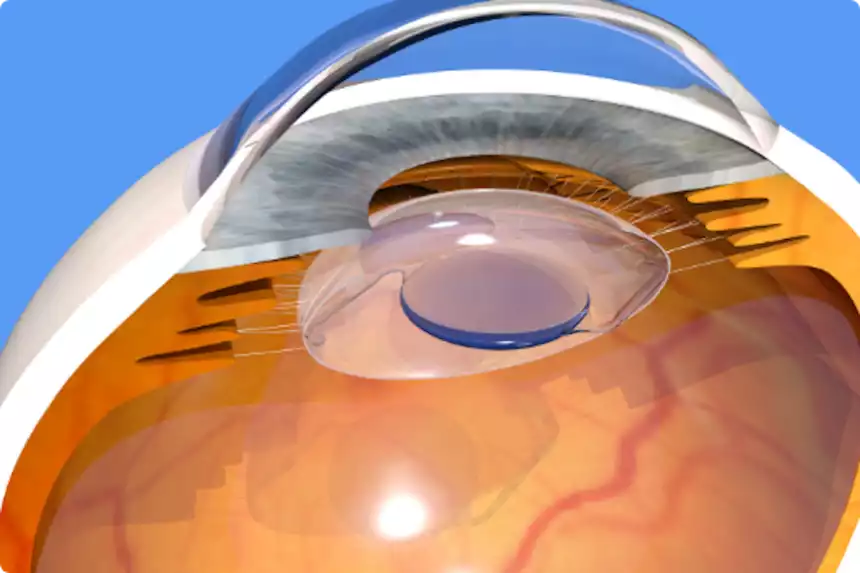
The term cataract or cataract refers to any clouding of the lens of the eye which, when expressed, leads to a reduction in the quality of vision. The patient usually does not notice the initial cloudiness until it affects the central parts of the lens or until the lens is completely clouded, when it can lead to a complete loss of vision. That problem is successfully solved by cataract surgery.
Cataract surgery
What exactly is this procedure?
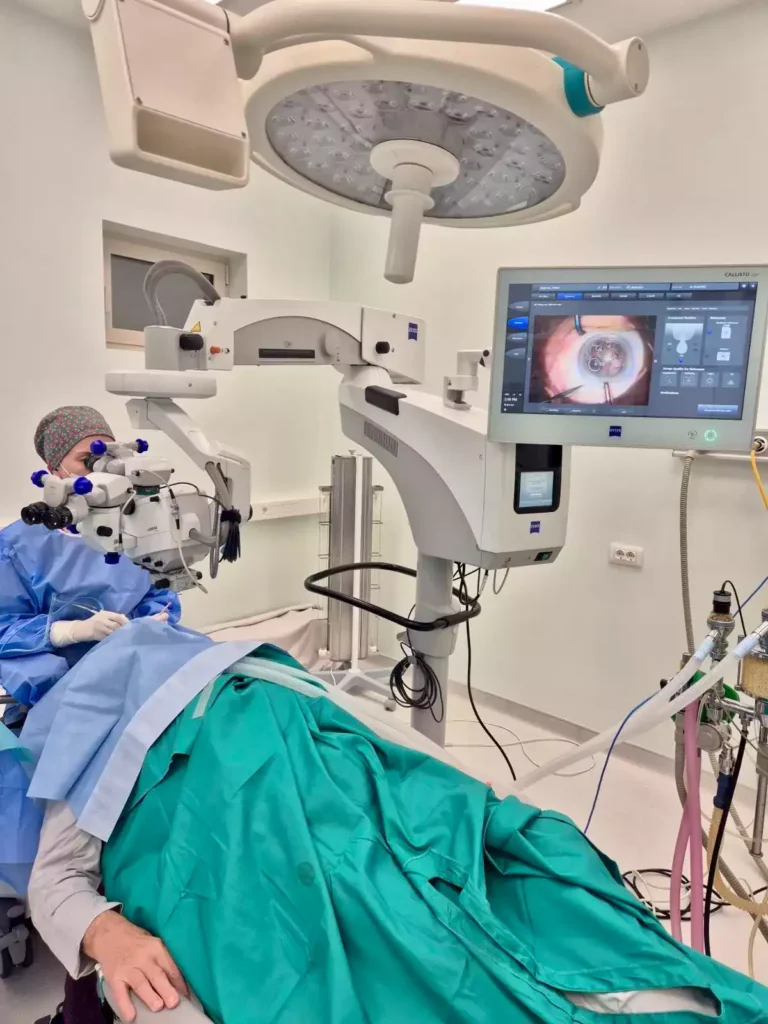
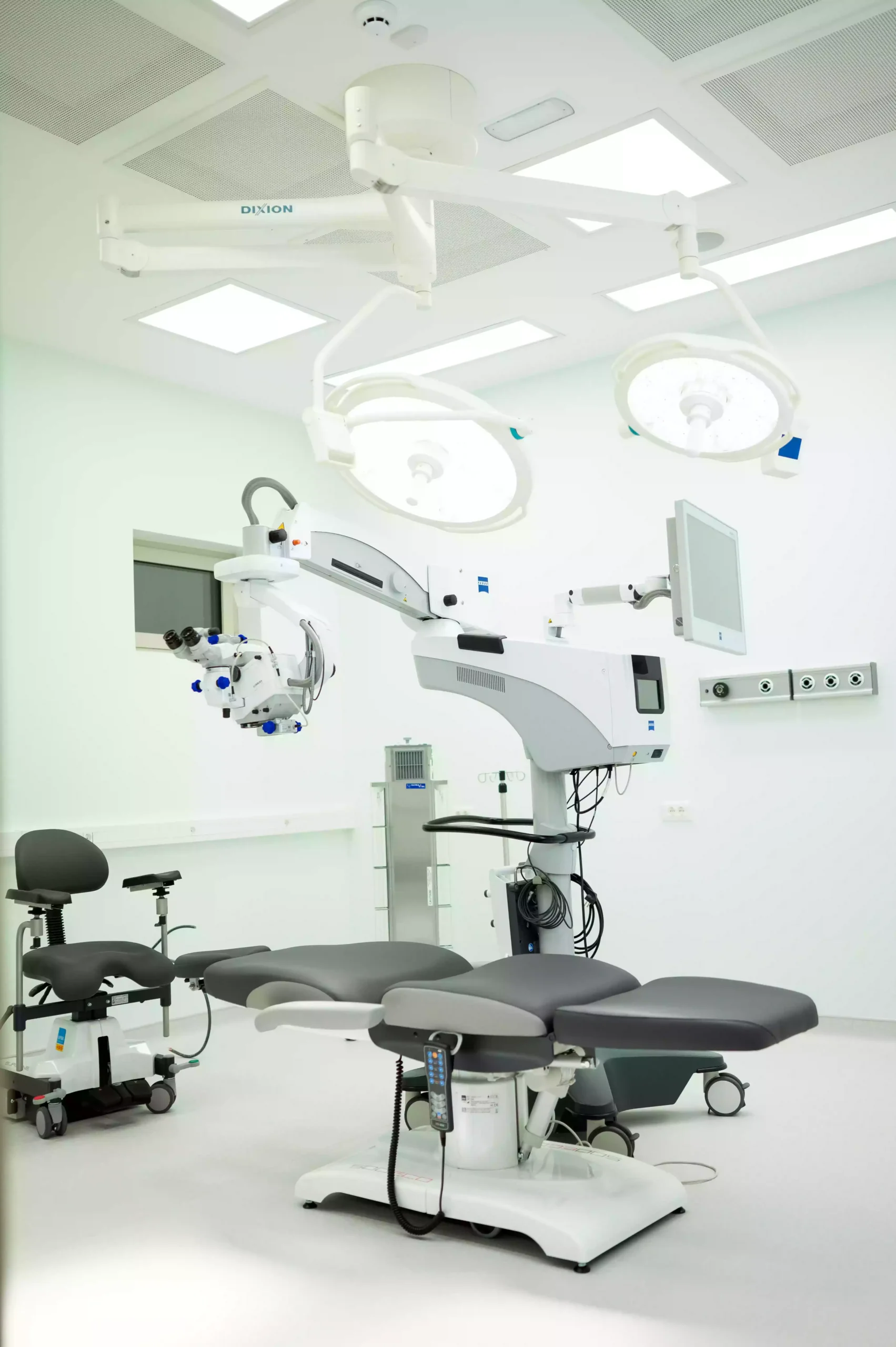
Cataract surgery is usually a short-term, precise and highly successful procedure that removes the clouded natural lens and replaces it with an artificial intraocular lens (IOL). If there are no associated eye diseases, which can complicate the course of the operation, the intervention itself is short-term with previously applied local anesthesia in the form of drops. Ophthalmology Center Dr. Raonic uses the most modern equipment and surgical techniques that enable top results with minimal risk. Thanks to the advancement of technology, cataract surgery takes a short time, without the need for hospitalization.
Benefits
Why cataract surgery?
- Restoring clear and sharp vision
- Painless procedure under local anesthesia
- Quick recovery and return to daily activities
- A long-term solution without the need for repeated procedures
Who is this operation for?
Who is suitable for cataract surgery?
Candidates for surgery are people who notice blurring of vision that cannot be corrected with diopters and that interferes with their daily activities (reading, driving, watching TV). The decision on cataract surgery is up to the patient, with the advice that excessively delaying the surgery leads to the appearance of premature cataracts and then the surgery has certain risks with the appearance of more frequent complications and a prolonged postoperative course (slower recovery of visual acuity).
Cataract surgery is not suitable for:
- People with active eye inflammation
- Patients who have uncompensated systemic diseases (eg diabetes, hypertension) without control
Ophthalmology Center Dr Raonić
Why come to us?
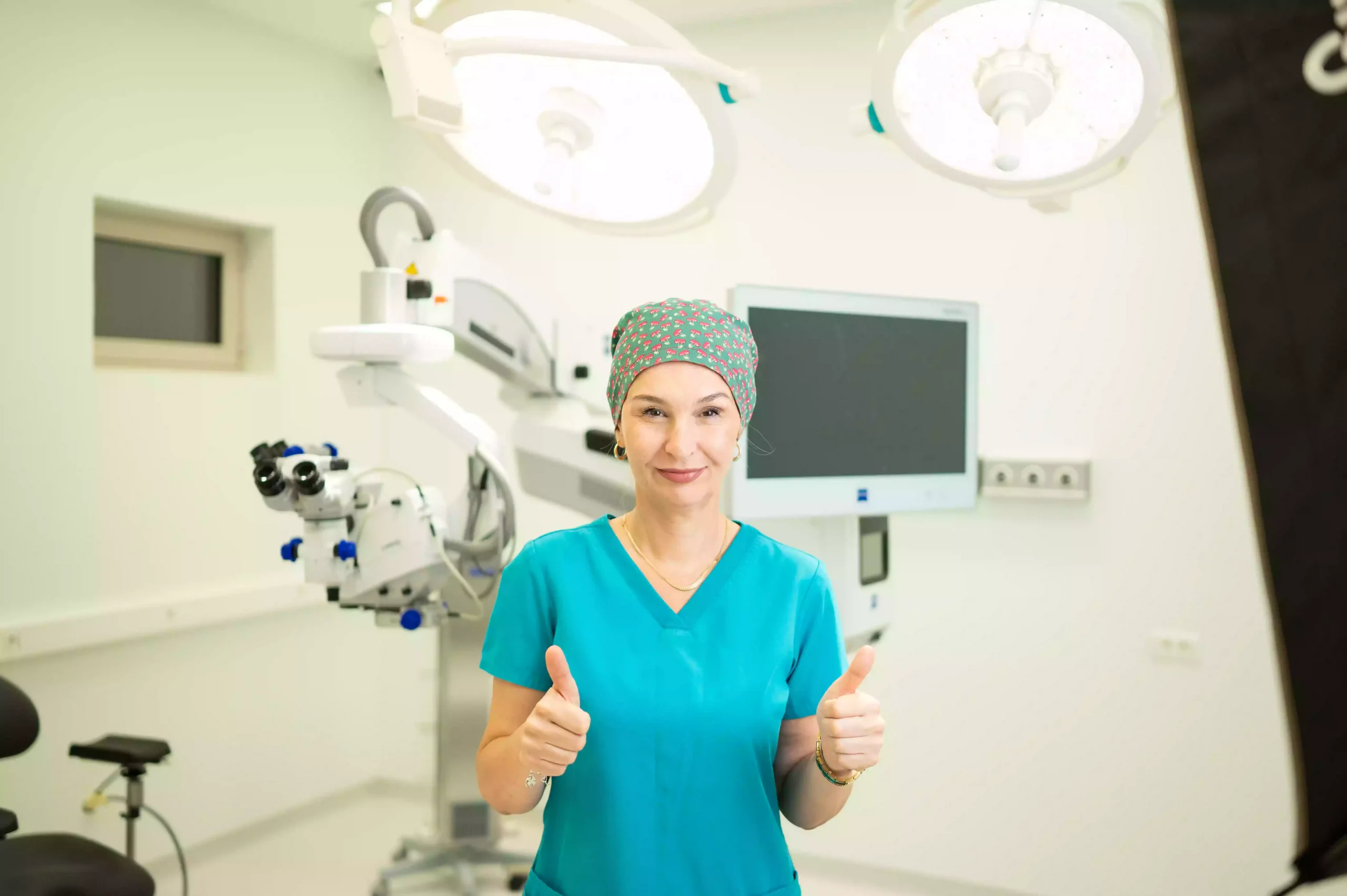
Ophthalmology Center Dr. Raonic has experienced surgeons who perform operations with the help of modern ultrasound systems. We offer a wide selection of intraocular lenses (EDOF, Eyhance, toric, multifocal) depending on the patient's needs and lifestyle. Our imperative is to provide complete and personalized patient care through detailed diagnostics, consultation and post-operative follow-up.
FAQ
Worried?
Is the surgery painful?
No. The operation is performed under local (topical) anesthesia and is completely painless.
How long does recovery take?
Most patients see much better the day after cataract surgery, and complete recovery takes a few days, with the recommendation to follow the postoperative trapeic regimen (drops).
Is it possible to operate on both eyes?
Yes, but not both eyes on the same day, except in special situations dictated by the patient's condition. Usually, the second eye is operated after a few days to a week.
Is there a risk of complications?
As with any surgical intervention, there is a minimal risk, but with an expert team and modern technology, complications are extremely rare.
Can certain medications affect the course of surgery and recovery?
Some medications, such as isotretinoin or certain steroids, can affect healing or increase the risk of dry eye. A complete medication review is part of the patient's preoperative preparation.
Course of the operation
Preparation before surgery
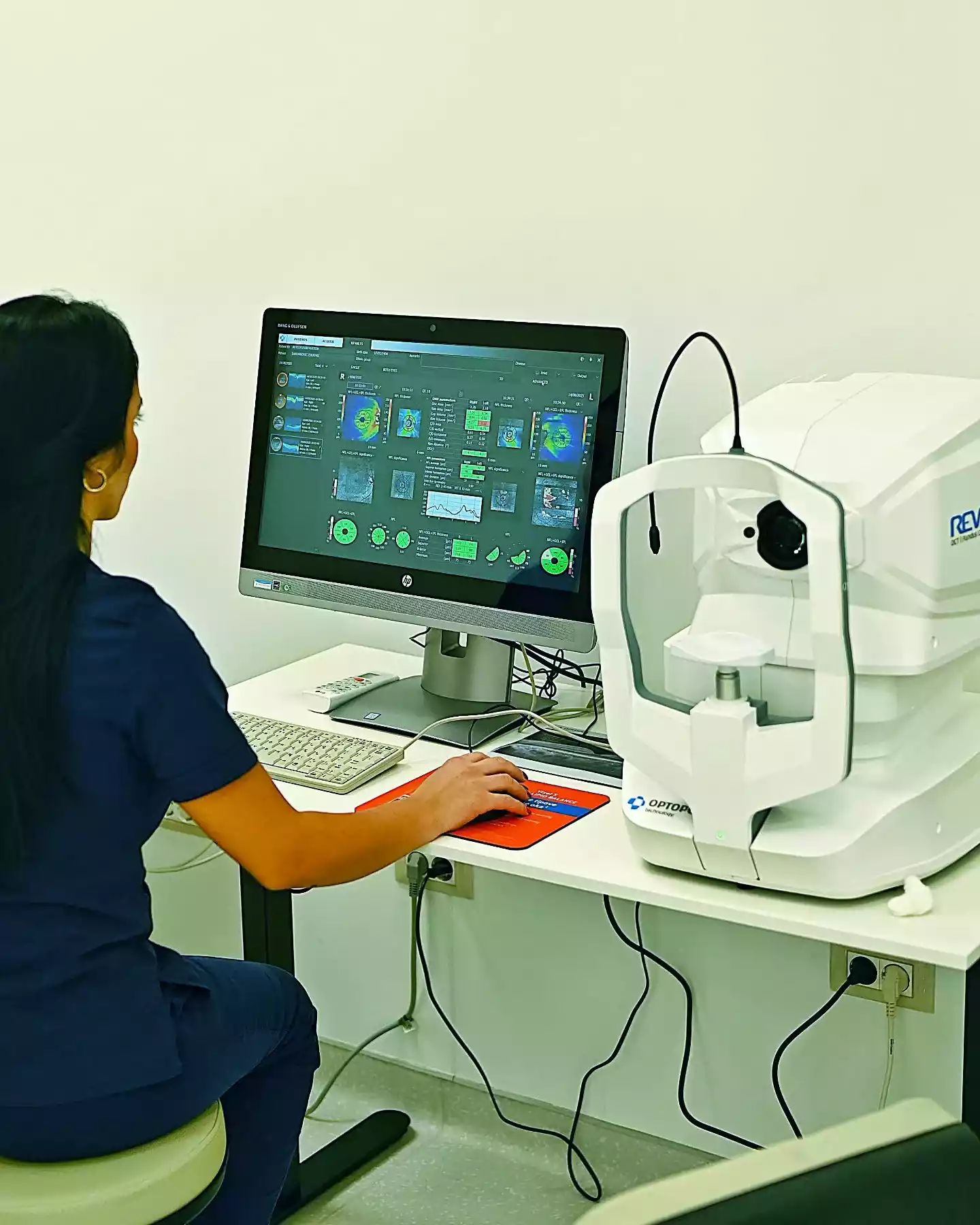
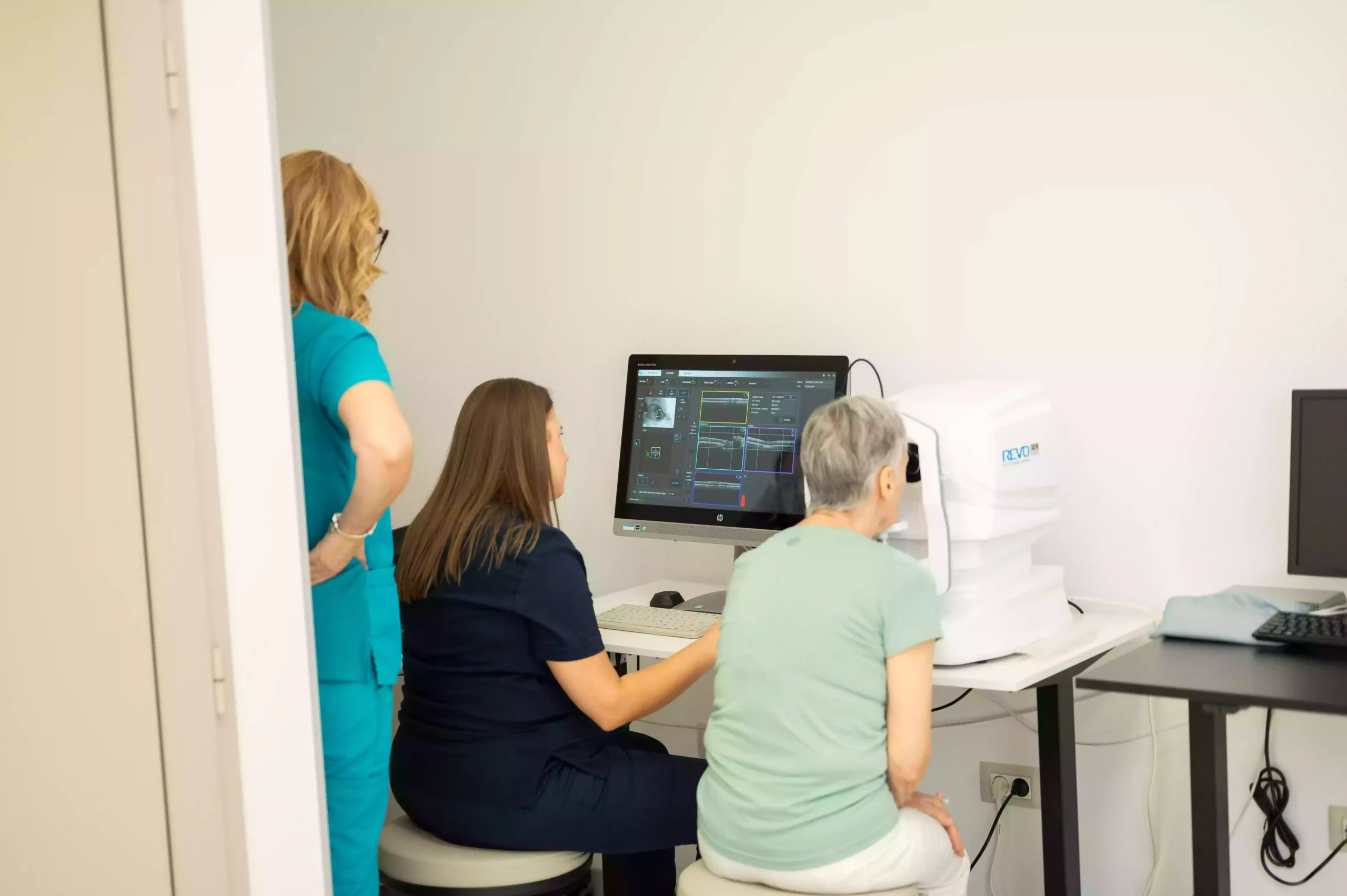
Before cataract surgery, it is necessary to perform a comprehensive ophthalmological examination that includes:
Visual acuity and refraction test;
Measurement of intraocular pressure;
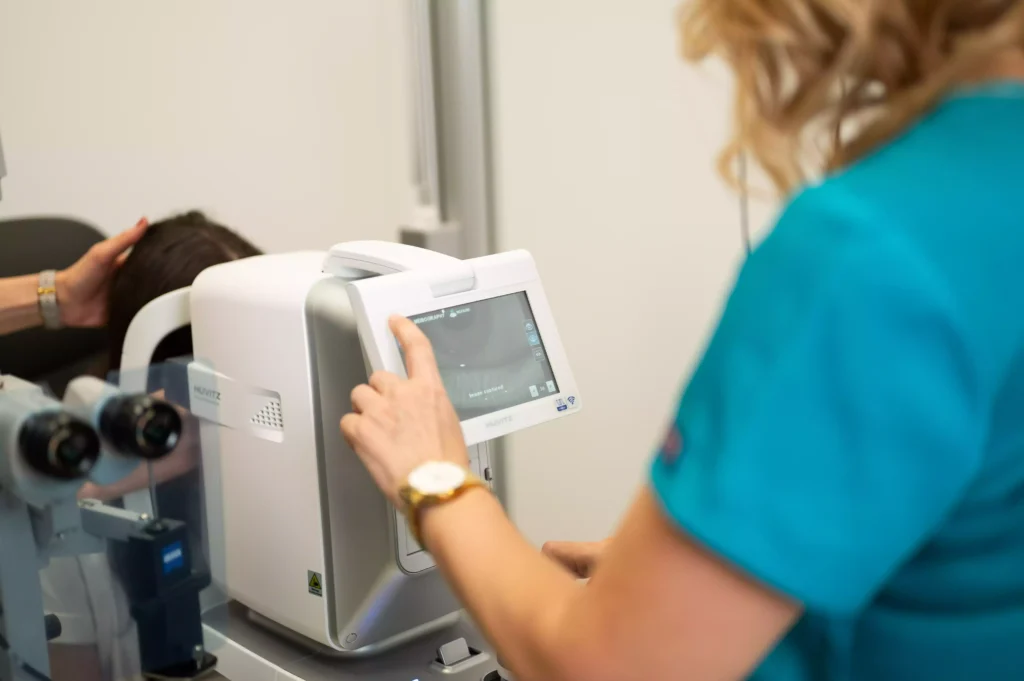
Biometric measurements of the eye (IOL master / A-scan);
Examination of the anterior segment and fundus;
Corneal topography and keratometry;
Ultrasound examination of the eye;
OCT of the macula and optic nerve (if necessary).
Based on the findings, the type of intraocular lens that best suits your needs is determined (monofocal, multifocal, toric).
Ophthalmology Center Dr Raonić
The most precise cataract surgery
Carefully selected equipment, unique in the region, in step with world standards, is available to patients who place their trust in us.
We are proud to present the latest technology for the most precise installation of toric lenses, which minimizes the appearance of residual postoperative astigmatism.
ZEISS IOLMaster 700 and ZEISS CALLISTO eye are part of a computer-assisted system for cataract surgery. They represent the world standard for the most precise positioning of toric intraocular lenses. The IOLMaster 700 captures a reference image and biometric data (including corneal astigmatism) which are then integrated into the operating microscope (LUMERA 700) via the CALLISTO eye system. During surgery, CALLISTO eye uses this reference image to guide the surgeon, comparing it to a live image of the patient's eye to accurately place the toric intraocular lens.
Thanks to this technology, it is possible to almost completely correct the existing astigmatism and provide our patients with crystal clear vision, which until recently was a big challenge in cataract surgery.
Course of the operation
During the operation
The operation is performed under sterile conditions, under local anesthesia (drops). During the operation, the patient does not feel pain.
If there is a specific condition of the eye and eye structures, the duration of the operation may be longer than usual due to the need for additional operative maneuvers.
Course of the operation
After the operation
Immediately after the procedure, the patient stays in the office for about 30 minutes for control. A feeling of scratching, slight dryness or increased sensitivity to light is possible - all of this is transient. The patient receives instructions on drip therapy, behavior and an appointment for a follow-up examination.In most cases, vision improves the next day.
