
Basic ophthalmological examination
Eye exam | Ophthalmological examination
We are dedicated to providing comprehensive vision care and eye health, with patient satisfaction and well-being always at the fore. We have all the state-of-the-art equipment needed to help doctors make an accurate diagnosis and monitor treatment as quickly as possible. We pay great attention to establishing a relationship of trust between the patient and the doctor, which always begins with the first meeting and conversation in the clinic.
Eye exam
Eye examination is the basis of eye health
Regular ophthalmological examinations are crucial for detecting visual impairment and eye diseases at an early stage, bearing in mind the fact that numerous diseases such as glaucoma or macular degeneration (yellow spots) often develop insidiously and may remain unnoticed for a long time.
Our goal is to contribute in the best possible way to the preservation of the health of your eyes through precise diagnosis, with the use of the most modern devices at our disposal, as well as the application of modern treatment protocols.
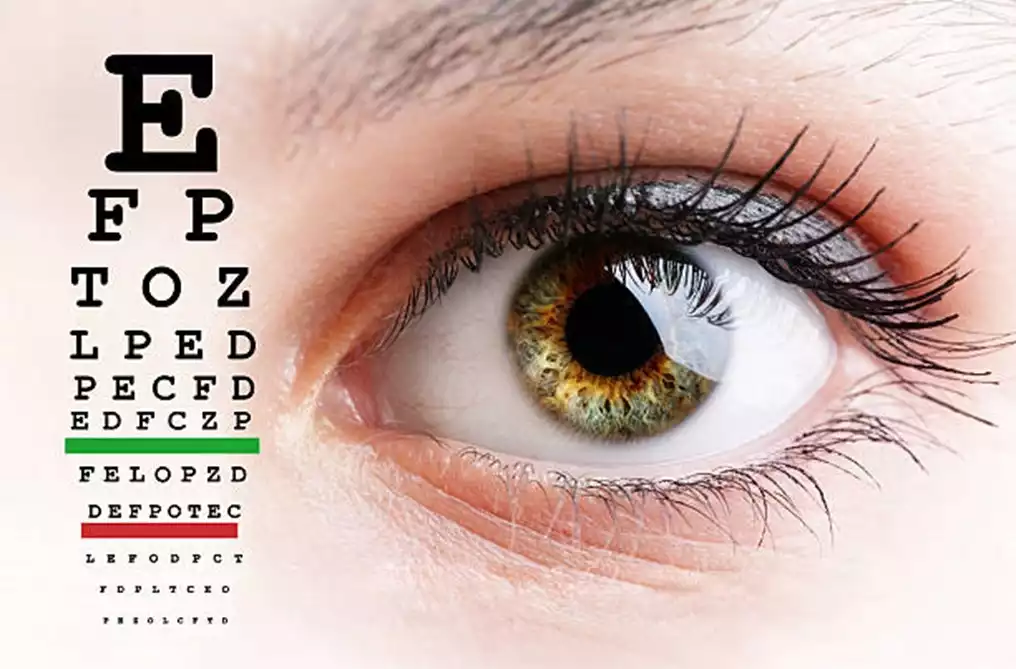
What is an eye exam?
What is included in the basic ophthalmological examination?
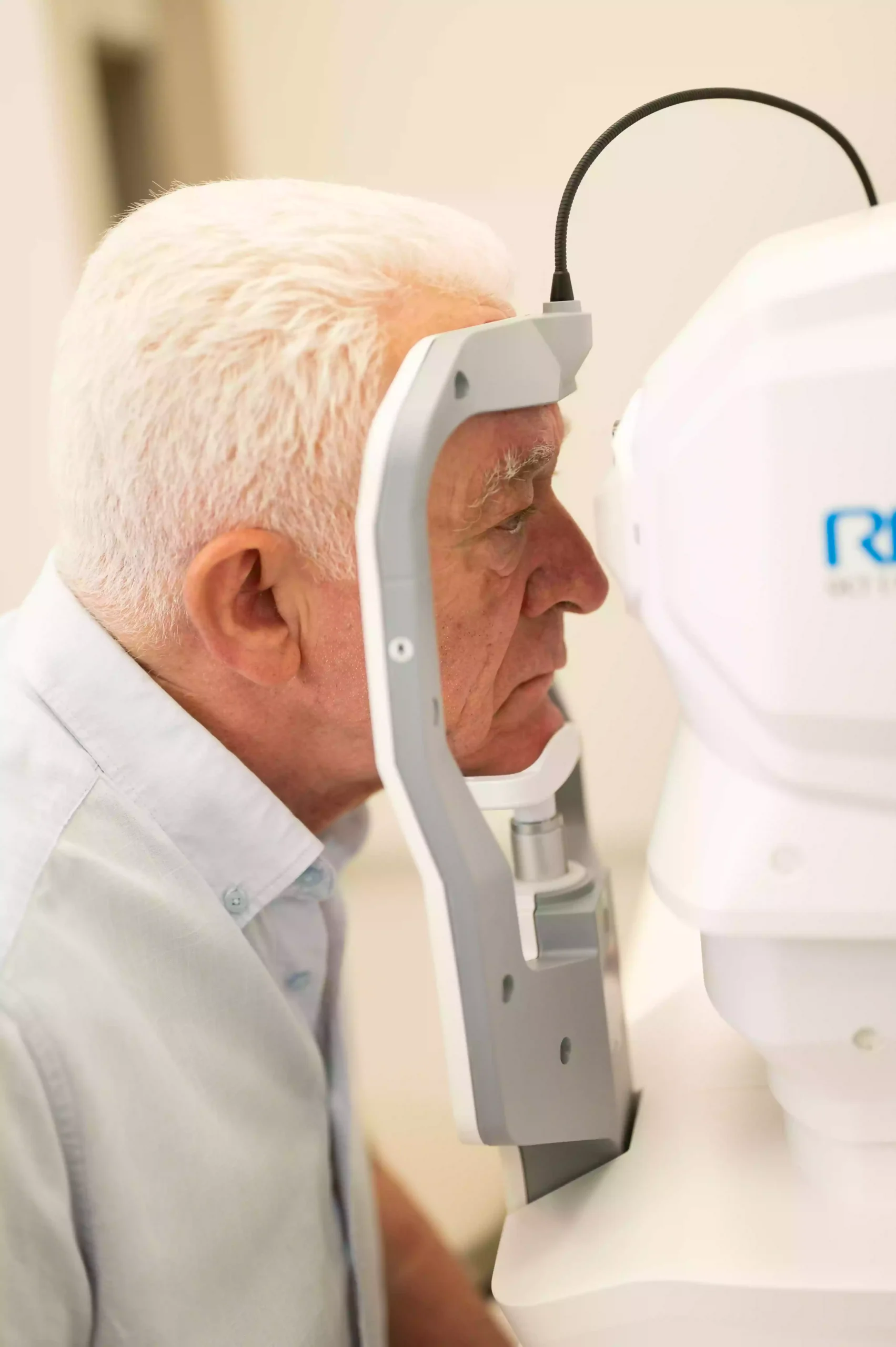
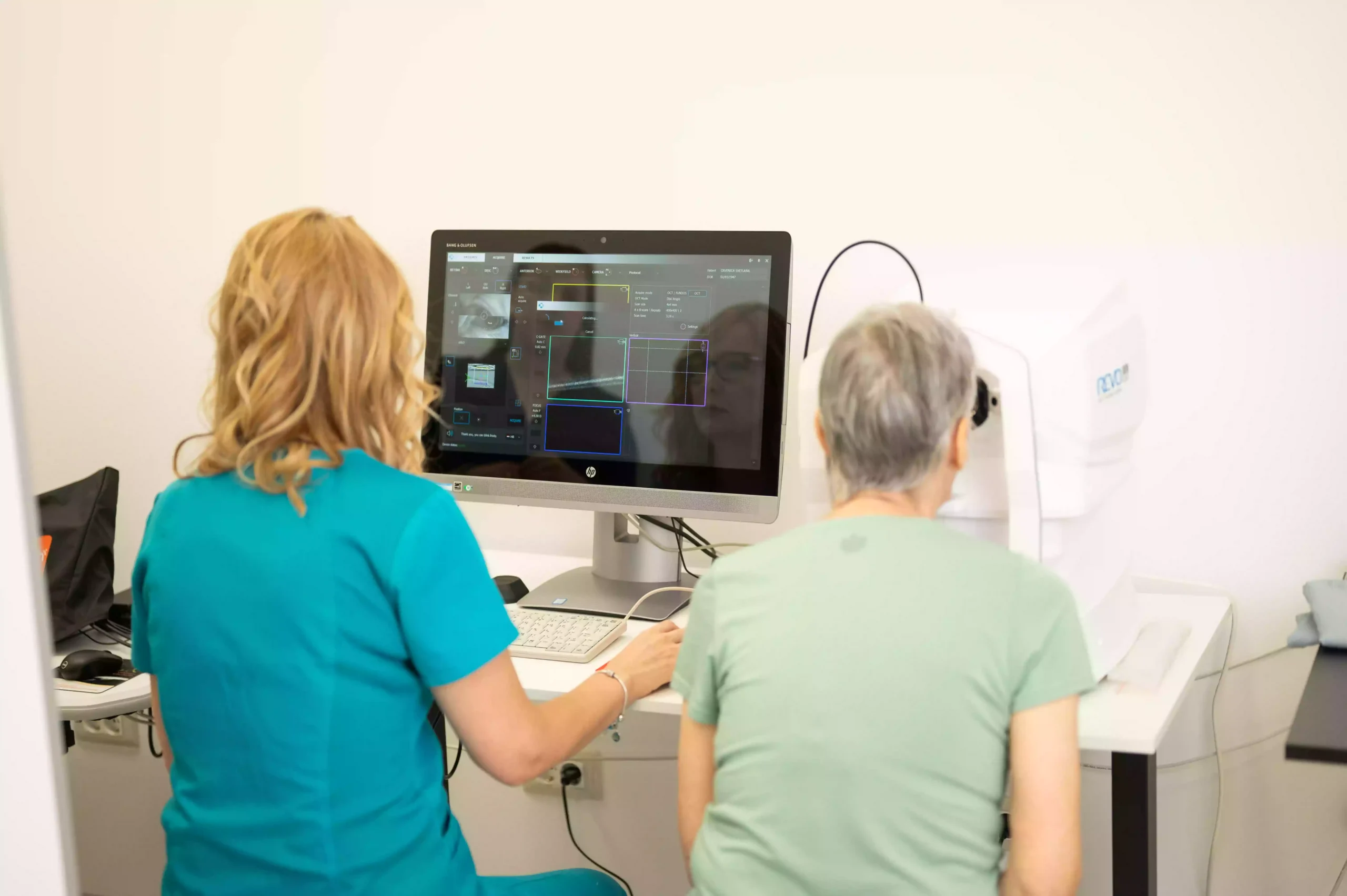
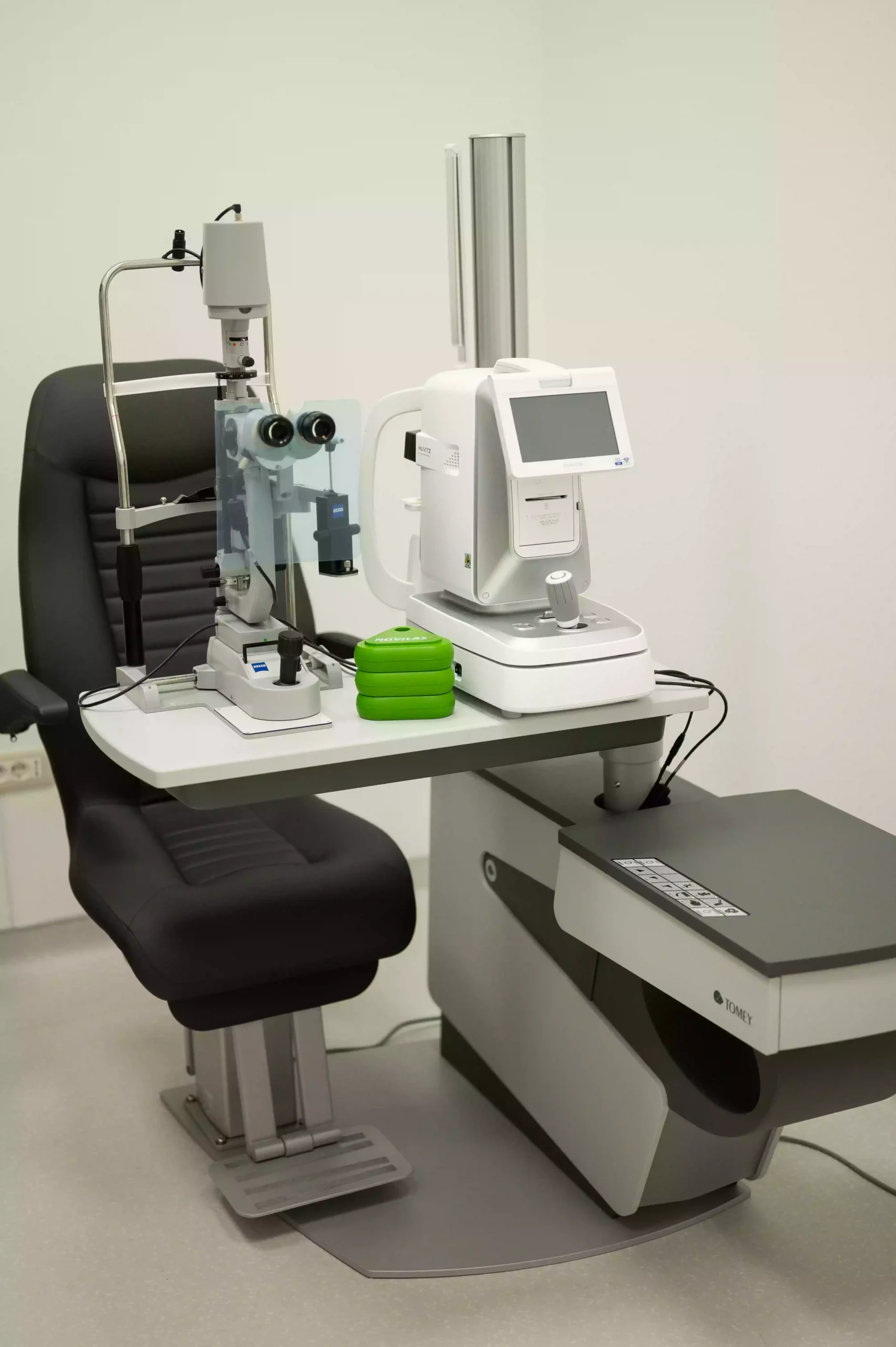
Basic ophthalmological examination - eye examination, includes the following:
- Computerized determination of diopters with an autokerator refractometer
- Visual acuity check and diopter determination
- Examination of eye movement and binocular vision
- Measuring eye pressure
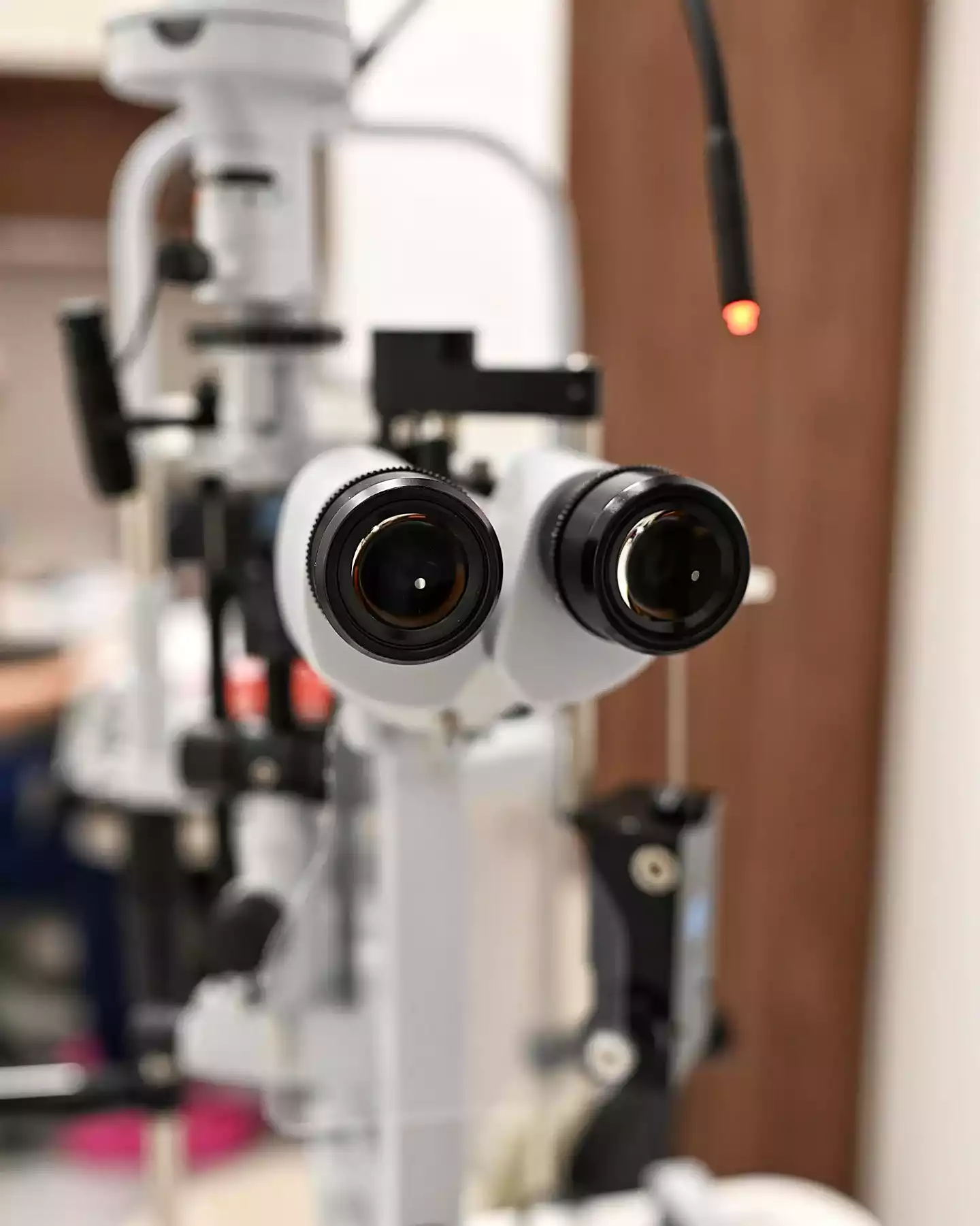
- Examination of the anterior segment of the eye with a biomicroscope
- Examination of the posterior structures of the eye with a biomiroscope using appropriate magnifiers
The most important structures of the fundus can be seen when the pupil is narrow, but a complete insight into the state of the retina can only be had after dilating the pupil, which implies the application of appropriate drops.
Frequency
How often to go for an eye exam?
Adults and the elderly
From the age of 40: At least every other year, because the risk of eye diseases increases.
From the age of 60: Annual examinations for the early diagnosis of age-related retinal changes
In case of a hereditary factor: More frequent eye examinations are recommended
Children and adolescents
In the case of prematurely born children, as well as children with other health or genetic problems, the eye examination should be performed according to the protocols determined for this purpose.
Before starting school: The first/preventive examination should be done in the fourth year, and then before starting school. In the event that the child complains of a vision problem or the parents notice the problem themselves, an examination should be performed without delay, regardless of age. Regular examinations are also recommended in the case of existing myopia (especially during the period of schooling).
Rizične grupe
Glaucoma:
People who are being treated for glaucoma should come for an examination according to the schedule determined by the prescribing ophthalmologist (usually every 4 months or more often according to the doctor's judgment).
People who are at risk for the disease are recommended to have more frequent examinations, according to the latest protocols, every 6 to 12 months, regardless of age.
Risk factors include: a family history of glaucoma, high blood pressure, diabetes, high eye pressure, or a history of eye injury.
Diabetics and people with hypertension:
Fundus examinations for early detection of abnormalities - at least once a year, unless the ophthalmologist recommends more often.
Lens users:
Regular examinations with an emphasis on the front segment of the eye once a year unless the ophthalmologist recommends more often.
People with dry eyes:
Monitoring the condition of the cornea and conjunctiva with the optimization of the appropriate therapy. These patients should come regularly for six-month examinations or more often according to the recommendation of the prescribing ophthalmologist, depending on the state of the mentioned eye structures.
Ophthalmology Center Dr Raonić
Why come to us?
OphthalmologyCenter Dr. Raonic is a practice where dedicated and highly trained doctors and surgeons - ophthalmologists, experts with many years of experience in treating a wide range of eye disorders, from infections, problems with the eyelids and tear ducts, to all ophthalmological diseases of the front and back segment of the eye, which are treated on an outpatient basis or surgically, practice.
FAQ
Worried?
Does an eye exam cause pain?
An ophthalmological examination is a painless examination. During the examination, the only situation in which it is necessary to apply a local anesthetic is the measurement of eye pressure by applanation/contact tonometry (which is considered the gold standard in pressure measurement), when corneal anesthesia achieves an insensitive pressure measurement with the contact of the tonometer prism with the cornea.
Also, we have the most modern apparatus for non-contact measurement of eye pressure ("I - care" tonometer) which, as the name suggests, instantly provides information on the level of intraocular pressure without touching the cornea, thus enabling a faster selection of patients who need to be additionally examined in this direction.
How long does an eye exam take?
An ophthalmological examination lasts between 30 and 45 minutes on average. If additional diagnostics are performed, the total time of stay in the ophthalmology office can be extended.
Can I drive after an eye exam?
If the eye exam required pupil dilation, you should not drive alone for several hours. We advise you to come with an escort and to bring sunglasses to reduce irritation after leaving the office.