
Surgical services
Vitreoretinal surgery
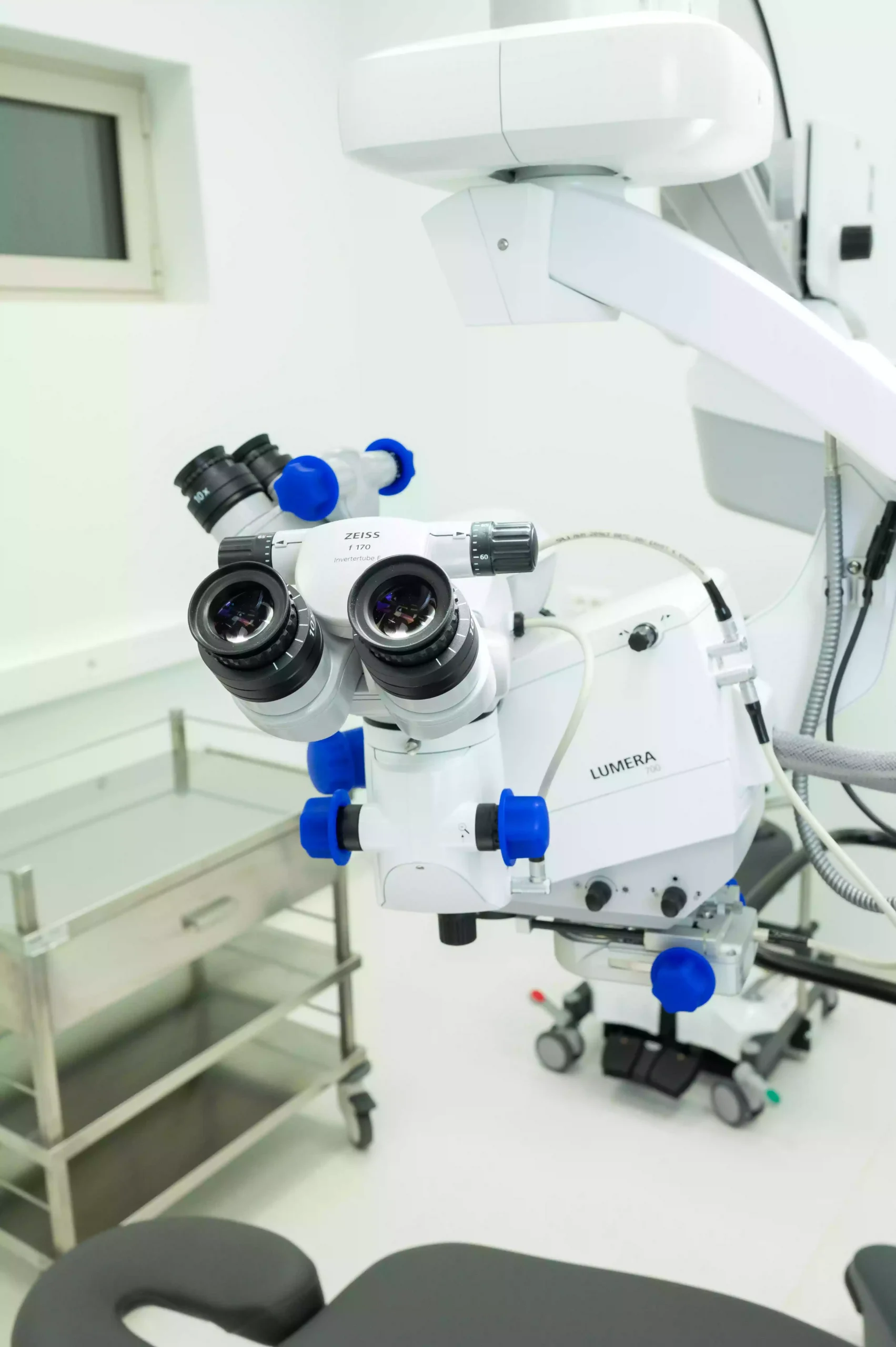
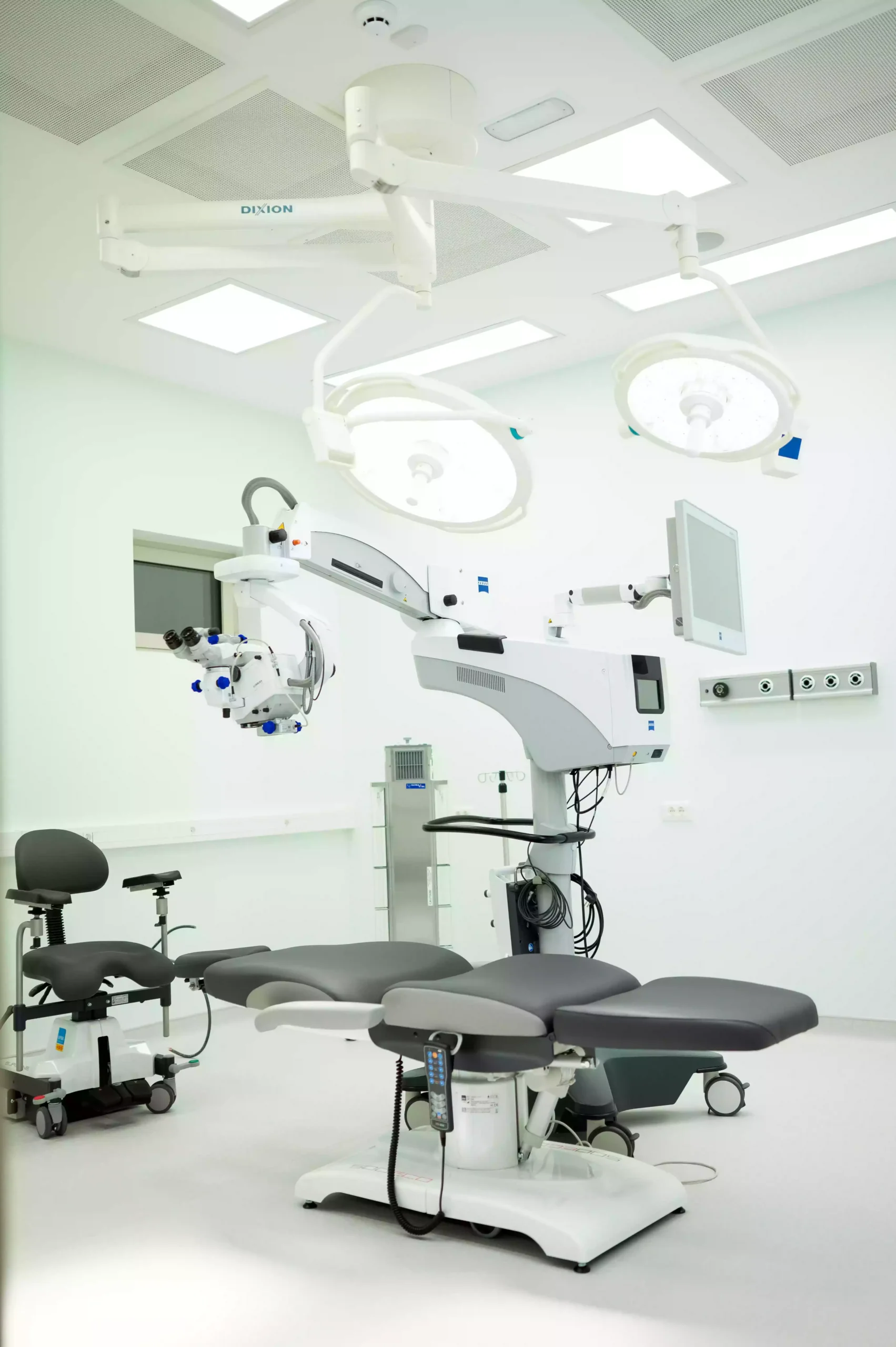
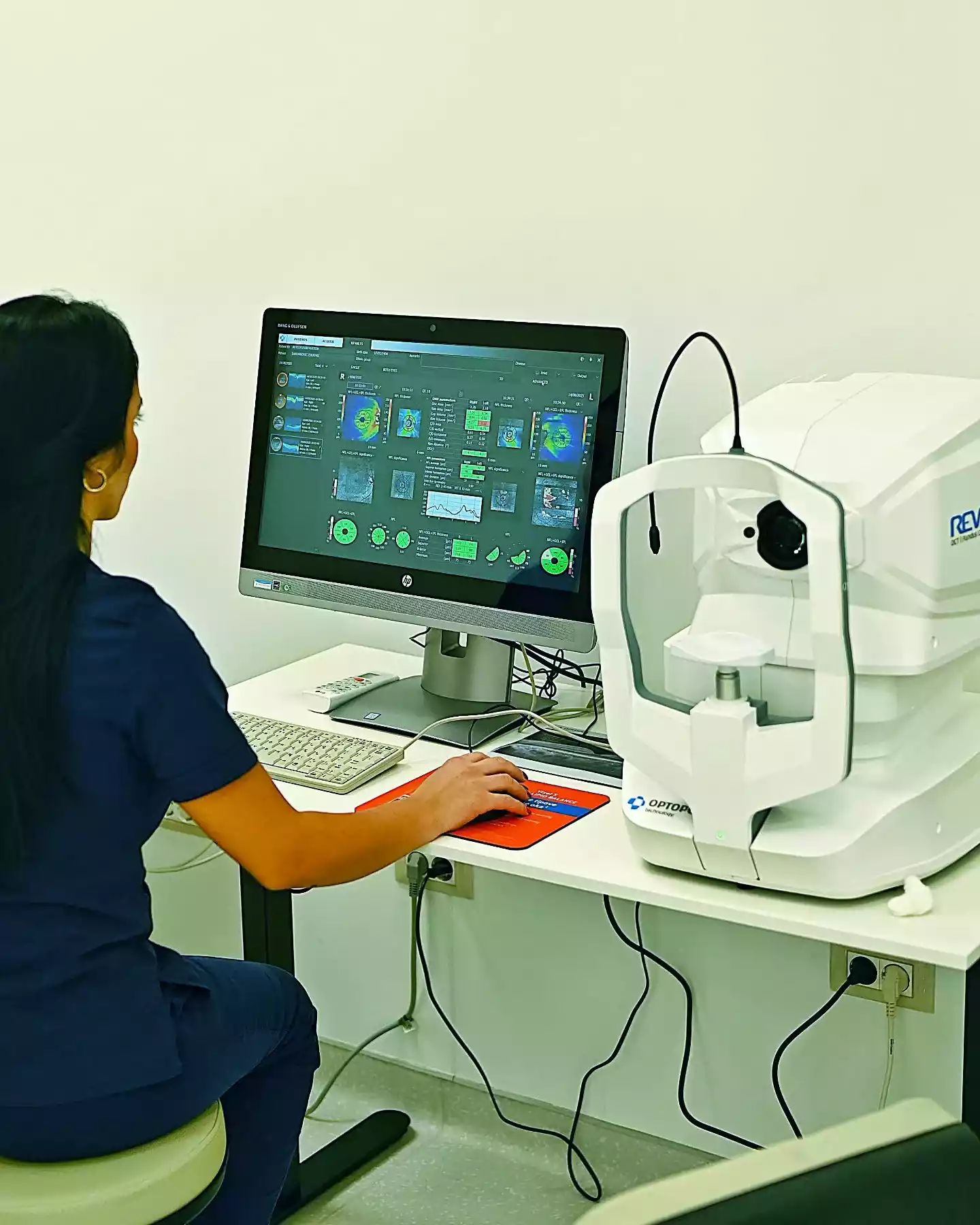
Vitreoretinal surgery includes complex microscopic operations on the retina and vitreous body of the eye. Ophthalmological Center Dr. Raonic and an experienced professional team perform these operations with the help of the most modern devices and microscopes, with extremely precise diagnostics.
Vitreoretinal surgery
What is vitreoretinal surgery?
Vitreoretinal surgery is used for diseases of the back segment of the eye - especially the retina (retina) and vitreous body (vitreum). In the case of hemophthalmos, retinal detachment, rupture in the macula, epiretinal membrane, diabetic retinopathy, endophthalmitis and other pathological conditions of the retina and scatlike body that require surgical treatment, vitrectomy is the method of choice. This procedure removes the clouded or changed vitreous body and allows access to the retina for further treatment and monitoring.

The Retina is a layer of tissue at the back of the eye, which contains specialized cells for receiving light rays (photoreceptors, cones and rods). Photoreceptors transmit the received signals via the optic nerve to the center of vision where the final image of what we see is created. The retina is essential for vision and its damage can lead to vision problems or blindness.
The most important part of the retina is the yellow spot (macula) which is responsible for sharp and clear central vision.
A healthy macula is necessary for the smooth performance of activities such as reading, painting, driving, i.e. all situations in which it is necessary to focus our vision on a specific object, person or text.
The largest part of the eyeball is occupied by a structure called the vitreous body. The vitreous body is a transparent gel connected to the retina along its entire circumference.
With age, it turns into a more watery form, shrinks and separates from the retina. It is a spontaneous process that in most cases ends without complications. In people who have degenerative changes on the periphery of the fundus, this spontaneous separation carries the risk of certain complications such as retinal rupture with consequent retinal ablation, blood spilling from the retinal blood vessel into the CV area (hemophthalmus), the formation of a cellophane membrane in the area of the macula, which, if it progresses rapidly, can lead to a rupture of the macula.
Retina
Retinal ablation
Ablation is a condition that occurs when the retina detaches ie. move from its normal position.
Symptoms of retinal detachment may include the following:
- Reduced vision
- Sudden appearance of dark floating shapes and flashes of light in your vision
- Loss of side vision
Detachment of the retina is an emergency, because the cells are left without a continuous supply of oxygen and food through the blood, which results in their deterioration and carries the risk of permanent vision loss. That is why it is of crucial importance to report immediately for an examination and carry out treatment as soon as possible.
Benefits
Vitreoretinal surgery saves sight
- Removes the consequences of bleeding and clouding of the vitreous body
- It restores the detached retina to its original position of clouding and bleeding in the eye
- It solves changes in the retina and in the vitreous body that are the result of serious retinopathies
- Enables successful treatment of complicated eye conditions
- Extends the functional life of vision in chronic eye diseases

Who is this operation for?
Who is suitable for vitreoretinal surgery?
This surgery is recommended for patients with confirmed changes to the retina or vitreous that threaten vision and cannot be treated conservatively. It is not recommended for:
- A person with uncontrolled systemic diseases
- Pregnant women, unless approved by a doctor
- A person with serious eye infections or systemic infections
Ophthalmology Center Dr Raonić
Why come to us?
Vitreoretinal operations are performed by our top surgeons with decades of experience in the field of eye microscopy. Our team uses the latest devices for precise diagnosis and performing operations, including 3D visualization and high-precision micro-instruments. From the first examination to post-operative recovery, we provide comprehensive and personalized care, because we know how important your vision is.
FAQ
Worried?
Is the surgery painful?
No. The operation is performed under local (topical) anesthesia and is completely painless.
How long does the procedure take?
Depending on the complexity of the case, it takes from 30 minutes to 2 hours.
How is the recovery?
Most patients return to normal activities within a few weeks, with regular check-ups.
Is vision better immediately?
The improvement of vision can be gradual, depending on the nature of the damage.
Can certain medications affect the course of surgery and recovery?
Some medications, such as isotretinoin or certain steroids, can affect healing or increase the risk of dry eye. A complete medication review will be part of your consultation.
What does it solve?
Vitreoretinal surgery saves sight
Vitreoretinal surgery:
Removes the consequences of bleeding and clouding of the vitreous body;
Repairs retinal detachment and other serious retinopathy;
Enables successful treatment of complicated eye conditions;
Extends the functional life of vision in chronic eye diseases;
Ophthalmology Center Dr Raonić believes that every vision is worth fighting for - and that's why we provide you with top-notch care, expertise and results you can see.